
5 Things to Look for When Buying Used Converting Equipment
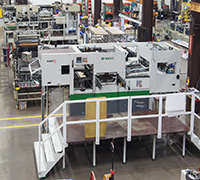 Used converting equipment can offer manufacturers an opportunity to add capacity, replace aging equipment, or expand capabilities without the investment or lead time associated with purchasing new machinery. But just as with new equipment, finding the right machine requires looking beyond the purchase price.
Two used machines of the same make and model can represent very different investments depending on how they were operated, maintained, configured, and equipped.
Before purchasing used converting equipment, taking a closer look at these five areas can help you better understand what you are buying and whether the machine is a good fit for your operation.
1. Look Beyond the Machine’s Age
The year a machine was manufactured is one place to start, but age alone does not tell you the condition of the equipment.
A newer machine that has operated multiple shifts in a demanding production environment may have considerably more wear than an older machine that saw limited use and received regular maintenance.
When possible, learn about the machine’s production history. Some questions to consider are:
- How frequently was it operated?
- What types of products and materials were run?
- Was it used in continuous production or only periodically?
- Why is the equipment being sold?
Maintenance history can provide additional context. Service records, repairs, replacement components, and previous rebuilds can help provide a more complete picture of how the equipment has been cared for throughout its life.
The goal isn’t necessarily to find the newest machine. It is to understand the life the machine has already had and how that may affect the value and service it can provide going forward.
2. Evaluate the Overall Mechanical Condition
Once you understand the machine’s history, its current mechanical condition deserves a closer look.
Normal wear is expected on used converting equipment. What matters is understanding the extent of that wear and determining what may require attention immediately or in the foreseeable future.
Depending on the type of equipment, an inspection may include belts, bearings, rollers, shafts, gears, drive components, chains, folding components, electrical systems, controls, and other wear items.
Signs of previous repairs or modifications should also be evaluated. A repair is not necessarily a concern if it was completed correctly, but it is important to understand what work has been performed and whether any modifications could affect future operation, maintenance, or parts availability.
A thorough mechanical evaluation can also help identify costs that may need to be considered beyond the purchase price.
3. Make Sure the Configuration and Options Fit Your Applications
Finding the right make and model does not necessarily mean you have found the right machine.
Converting equipment can be configured very differently depending on the applications it was originally purchased to run. Two machines with the same model designation may include different sections, attachments, accessories, controls, or optional features.
Before purchasing, compare the machine’s actual configuration with your production requirements.
Consider the products and materials you currently run, along with applications you expect to add in the future. Verify size ranges, material capabilities, machine sections, attachments, and other application-specific requirements.
Also determine whether additional options can still be added if your needs change. An attractive purchase price may be less valuable if significant modifications are required before the machine can perform the work you need it to do.
The question you need to answer is: “Is this particular machine configured for what we need to produce?"
4. See the Machine Under Power
A visual inspection can tell you quite a bit about a used machine. Seeing it operate can tell you even more.
Whenever possible, inspect used converting equipment while it is under power. This provides an opportunity to observe how the machine starts, runs, adjusts, and responds during operation.
Some things to consider while the machine is running are:
- Listen for unusual noises
- Watch for excessive vibration or inconsistent movement
- Check the operation of controls, motors, drives, adjustments, safety systems, and other major functions.
Ideally, the machine should also be demonstrated running product. If practical, testing material or products similar to your own can provide even more useful information about whether the equipment is capable of handling your applications.
If a machine cannot be demonstrated under power, find out why and consider the additional uncertainty that creates when evaluating its condition.
Seeing a machine operate does not replace a thorough inspection, but it can provide valuable information that photographs, specifications, and a visual walk-around cannot.
5. Know Exactly What is Included
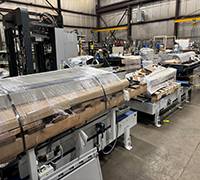 This may seem like a given, but make sure everyone has the same understanding of what is included in the purchase.
Used equipment is often pictured or demonstrated with accessories, tooling, attachments, spare parts, manuals, or other components that may or may not be part of the sale.
Ask for a detailed list of what will be included with the machine. Depending on the equipment, this could include tooling, optional attachments, spare parts, carts, pumps, glue systems, electrical components, manuals, schematics, or other accessories.
It is also worth confirming whether any components visible during an inspection belong to another machine or will remain with the seller.
Knowing exactly what is included allows you to evaluate the complete investment and identify anything that will need to be sourced separately before installation or production can begin.
Look at the Machine as a Whole
There is no single factor that determines whether a piece of used converting equipment is a good investment.
A well-maintained machine with the right configuration and a clearly understood history may provide years of useful service. The key is to know what you are buying before it arrives on your production floor.
If you are still deciding whether used equipment is the right choice for your operation, learn more about the benefits of purchasing used packaging equipment and the factors to consider before making an investment.
AIM also provides equipment evaluations and inspections to help manufacturers better understand the condition of used converting equipment before making a purchase.
If you’re considering used converting equipment, AIM can help answer questions about available machinery, equipment condition, configurations, and application requirements.